

Cassette Tape Cover Templates: A Simple DIY Guide
We are sharing our CASSETTE TAPE BOX ART TEMPLATE for the world to download. Use the attached template as a guide for making your cassette tape release standout.Just download the file and then use it as a guide for where to place the elements of your album art.
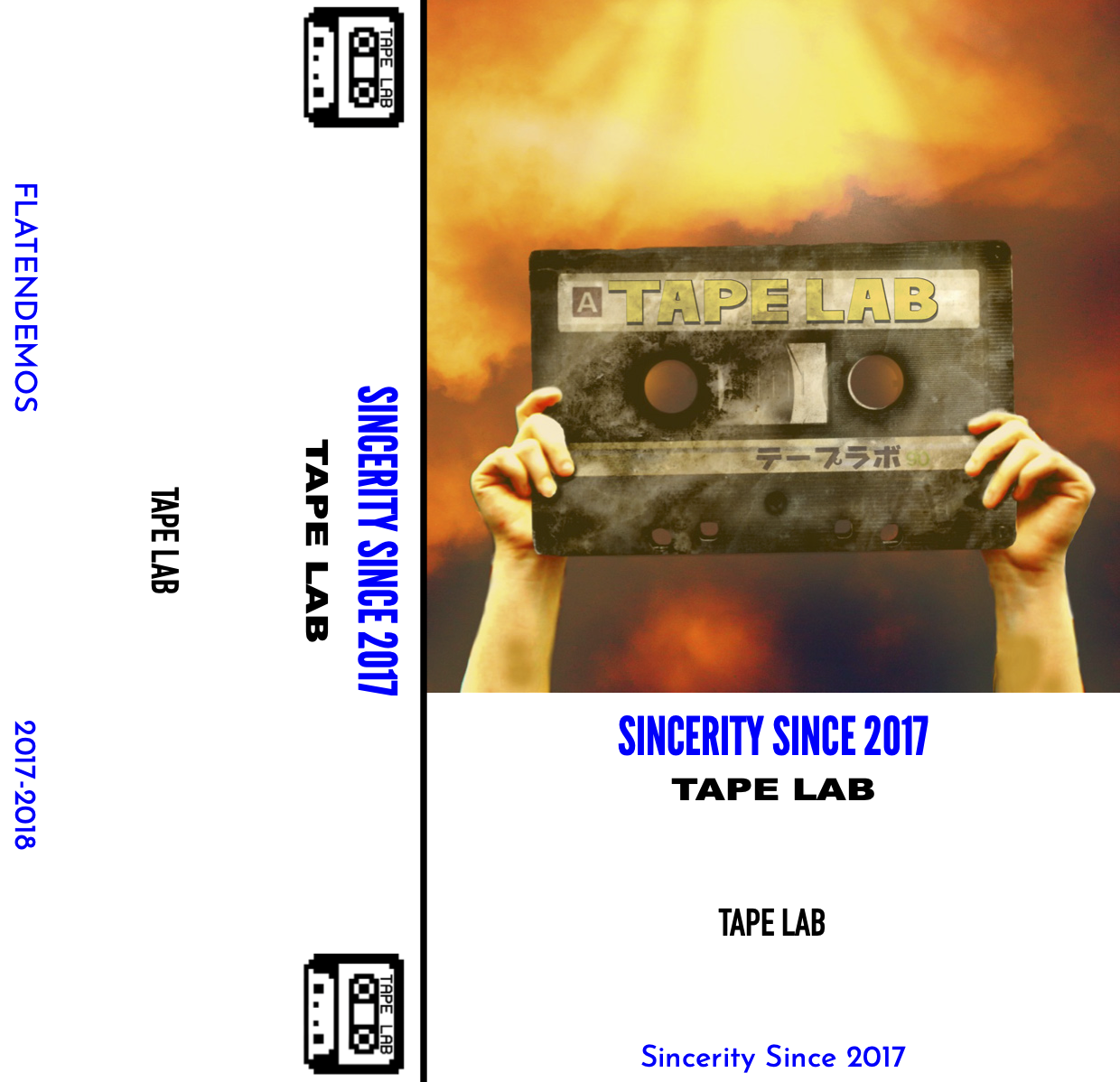
CASSETTE TAPE BOX ART TEMPLATE
Album art still matters. You really can judge a tape by its cover—because the cover tells you if someone cared. And when your mixtape has proper box art, it doesn’t disappear into a drawer; it becomes something you’ll actually show off on your counter.
Cassette cover art is easier than people expect because the sizes are basically standardized. Once you know the J-card measurements, you can design confidently and print without trial-and-error. Whether you’re dropping a limited-run release or making a one-off mixtape gift, a clean template is the difference between “homemade” and “legit.”
This guide focuses on the two things people mean when they search cassette tape cover templates:
Cassette J-card dimensions (the insert that wraps inside the case)
Cassette tape label / sticker dimensions (the label that goes on the shell)
Cassette labe templates
Printable cassette cover
STANDARD CASSETTE TAPE COVER ART
A typical cassette J-card is one strip that folds into the case: main panel + spine + J-flap tab. Cases can vary slightly, so if you’re printing a batch, do one test print first and adjust by a hair if needed. If you’re using a duplication plant, always default to their template for exact cut/fold tolerances.
Standard Cassette Cover Overall Size:
104 mm × 101.5 mm
J-Card Cassette Cover Panels
Main/Back panel: 65 mm × 101.5 mm (≈ 2.56" × 4.00")
Spine: 12.5 mm × 101.5 mm (≈ 0.49" × 4.00")
J-flap tab: 26.5 mm × 101.5 mm (≈ 1.04" × 4.00")
J-Card Fold lines
Fold at 65 mm
Fold at 77.5 mm (65 + 12.5)
J-Card Layout Options
(2-Panel vs 4-Panel vs 5-Panel)
Cassette cover template mean the layout style:
2-panel J-card: clean + minimal (artist/title + tracklist)
4-panel J-card: more breathing room (credits, photos, thank-yous)
5-panel J-card: label-style (full story, lyrics, longer notes)
DIY Print Setup
If you’re making a printable cassette J-card template at home:
Scale: 100% (turn off “fit to page”)
Resolution: 300 DPI
Safety zone: keep key text at least 3 mm (≈ 1/8") away from edges and fold lines
Bleed (if you’re running full-bleed color): add 3 mm on all sides
Do a cheap paper proof first, fold it, fit it, then print the final on nicer stock
Score fold lines for crisp spines and cleaner tabs (bone folder, or a dull edge)
Spec Quick Reference
J-Card: 104 mm × 101.5 mm (4.09" × 4.00")
Panels: 65 mm main + 12.5 mm spine + 26.5 mm flap (all × 101.5 mm tall)
Cassette Sticker / label: 3.5" × 1.6562"
About Tape Lab
Tape Lab is a world leader in tape-based media and culture, with over 10 years of experience creating, documenting, and championing cassette-centered art, music, and ideas. With more than 700 internationally distributed releases, Tape Lab has built a vast catalog that spans music, video, publishing, and experimental media. New music videos, releases, and publications are added all the time, alongside DIY guides designed to help tape lovers create, collect, preserve, and better understand cassette culture. Rooted in independent spirit and driven by deep format knowledge, Tape Lab continues to push tape forward as both a medium and a movement.
