

Why Cassette Tapes Refuse to Die: 2026 Edition
*This article has been updated for 2026
That dusty Walkman in your drawer might be more alive than you think. In 2026, people aren’t just collecting cassettes, they’re actively pressing new runs, trading them, and building entire music communities around them.
The Cassette Comeback, in 2025
Cassette tape sales jumped 204.7% in Q1 2025, reaching over 63,000 units in the U.S. — even as CD sales declined. (Source: Headphonesty)
Sales in 2026 are expected to continue to rise driven by nostalgia and the fact that streaming is totally whack.
This isn’t nostalgia. It’s a cultural, economic, and symbolic revival.
A Short History of Decline and Reinvention

Cassettes were dominant in the ’80s and early ’90s — before CDs, then MP3s, then streaming, shoved them into obscurity.
But the format never vanished. A DIY scene carried the torch. From the ’70s to ’90s, artists swapped handmade tapes like sonic zines. Tapes might not sound as good as records but they are exceptionally cheap - still.
Through the 2000s and early 2010s, tapes lived in thrift stores, noise collectives, and Bandcamp mailers. Quiet, but alive.
What’s Driving the 2026 Revival?
Affordable for Artists
Pressing vinyl is expensive. Streaming pays almost nothing. Its pretty obvious why artists love Tapes - because we can just make them and then sell them directly.
Tapes offer a sweet spot: small-batch physical releases with good margins.
Perfect for indie labels and underground artists testing new material.
Tangibility in a Digital Age
When everything is virtual, physical objects stand out. Cassettes demand attention — they live on your desk, not your app. Who doesn’t love holding art? Its a great way to actually have something forever.
Aesthetic Power
Clear shells, visible reels, analog charm.
Cassettes look amazing — especially in photos, TikToks, and unboxings.
“Cassette players are making a comeback… not because they’re better, but because they’re different.”
— SoundGuys
Subcultural Identity
To release on cassette in 2026 is to say: “I’m doing this my way.”
It signals authenticity, DIY roots, and belonging to a specific, analog-minded world.
But There Are Limits
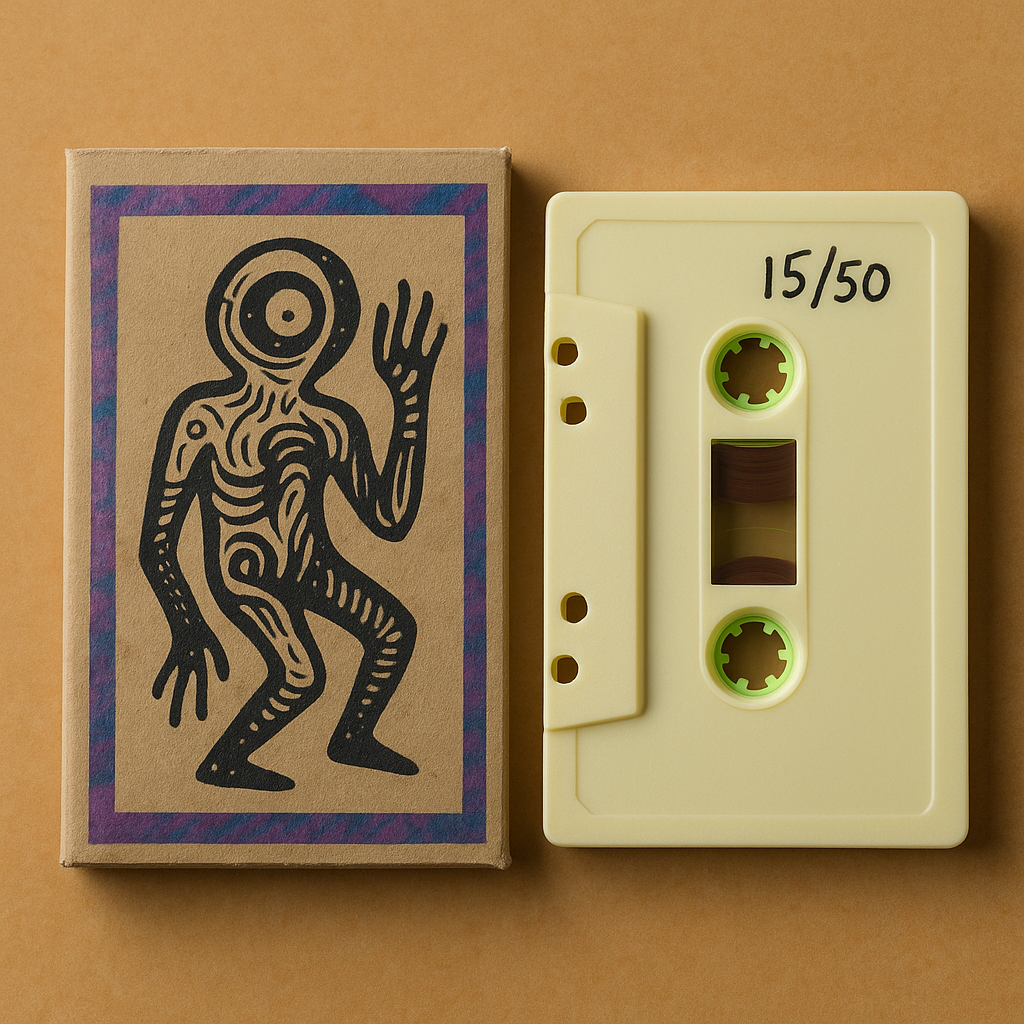
It’s not all smooth dubbing. Tapes come with challenges:
Mechanical issues: warped shells, alignment drift, hiss
Fidelity tradeoffs: lower sound quality than digital or vinyl
Parts scarcity: quality decks, belts, and motors are harder to find
Scalability: cassettes can’t hit the numbers that streaming or vinyl can
Still, the comeback isn’t about going mainstream — it’s about carving space outside it.
“Refusing to Die” Means Holding Ground
Cassettes aren’t topping Billboard charts and they don’t need to.
They’re thriving in pockets: the U.S. Midwest, Japan, DIY scenes in Europe
They spike during artist drops, zine fairs, and Cassette Store Day
They’re niche — but stable

What It Means for Artists, Collectors, and Listeners
For DIY Musicians
A viable format for limited drops, test releases, or merch
Easier to make and sell than vinyl
Perfect for projects where physical connection matters
For Collectors
Cassette culture rewards scarcity, packaging, aesthetic cohesion
Art tapes, sound experiments, numbered runs have real value
For Listeners
Tapes change how you engage with music — more tactile, more intentional
You don’t skip tracks — you commit
Where This Goes Next
Cassettes aren’t “coming back” because they’re sticking around.
Watch for:
New hybrid players — with USB, Bluetooth, modern features
Cassette-first artists — skipping digital altogether
Visual-first packaging — tapes as collectibles and art objects
“This isn’t a return to glory days. It’s a redefinition.”
— Tape Lab
